

ABIS Shares Automotive Mold Sourcing Guide for EV and Trim Components
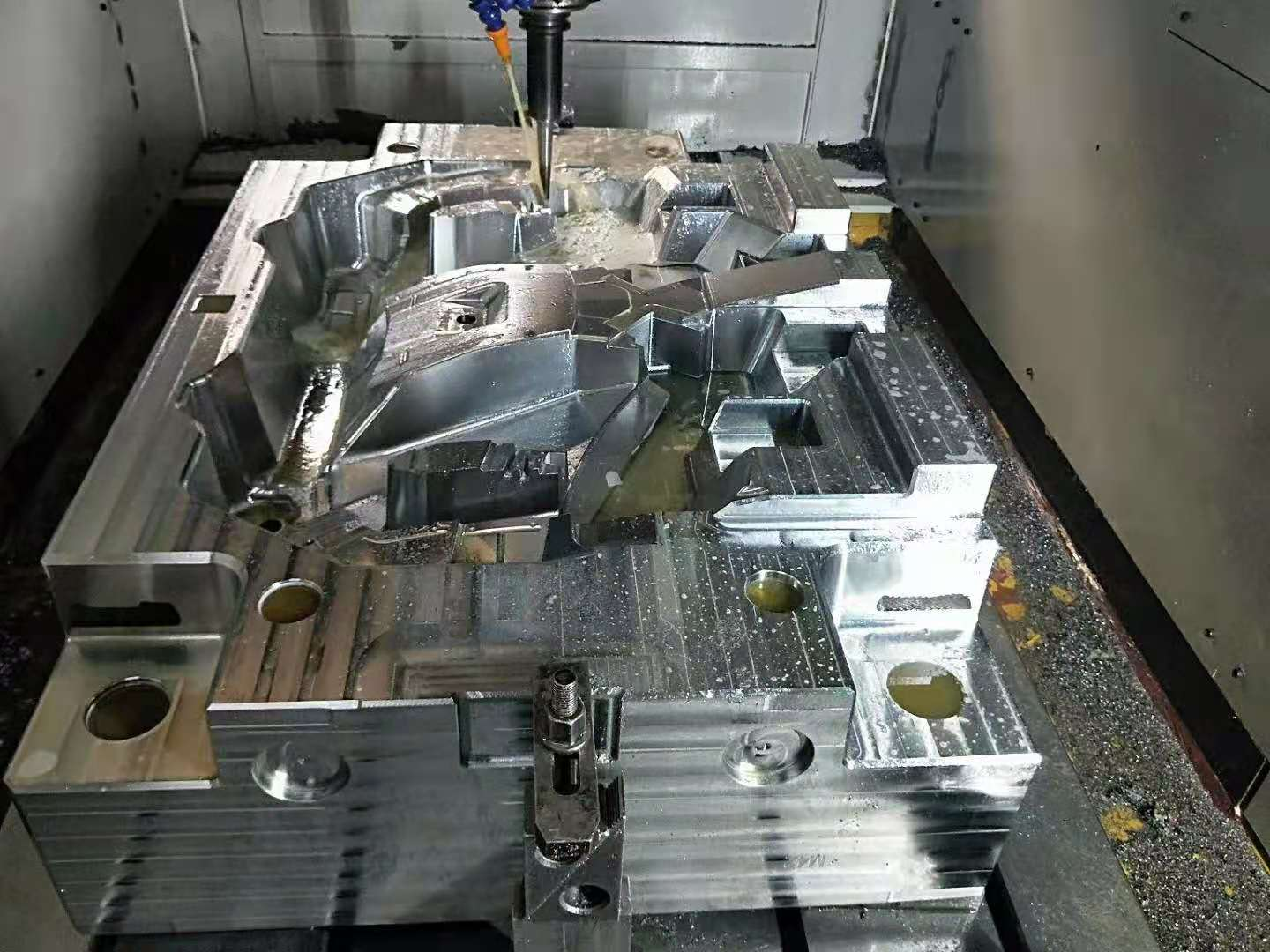
Automotive & EV Injection Molds
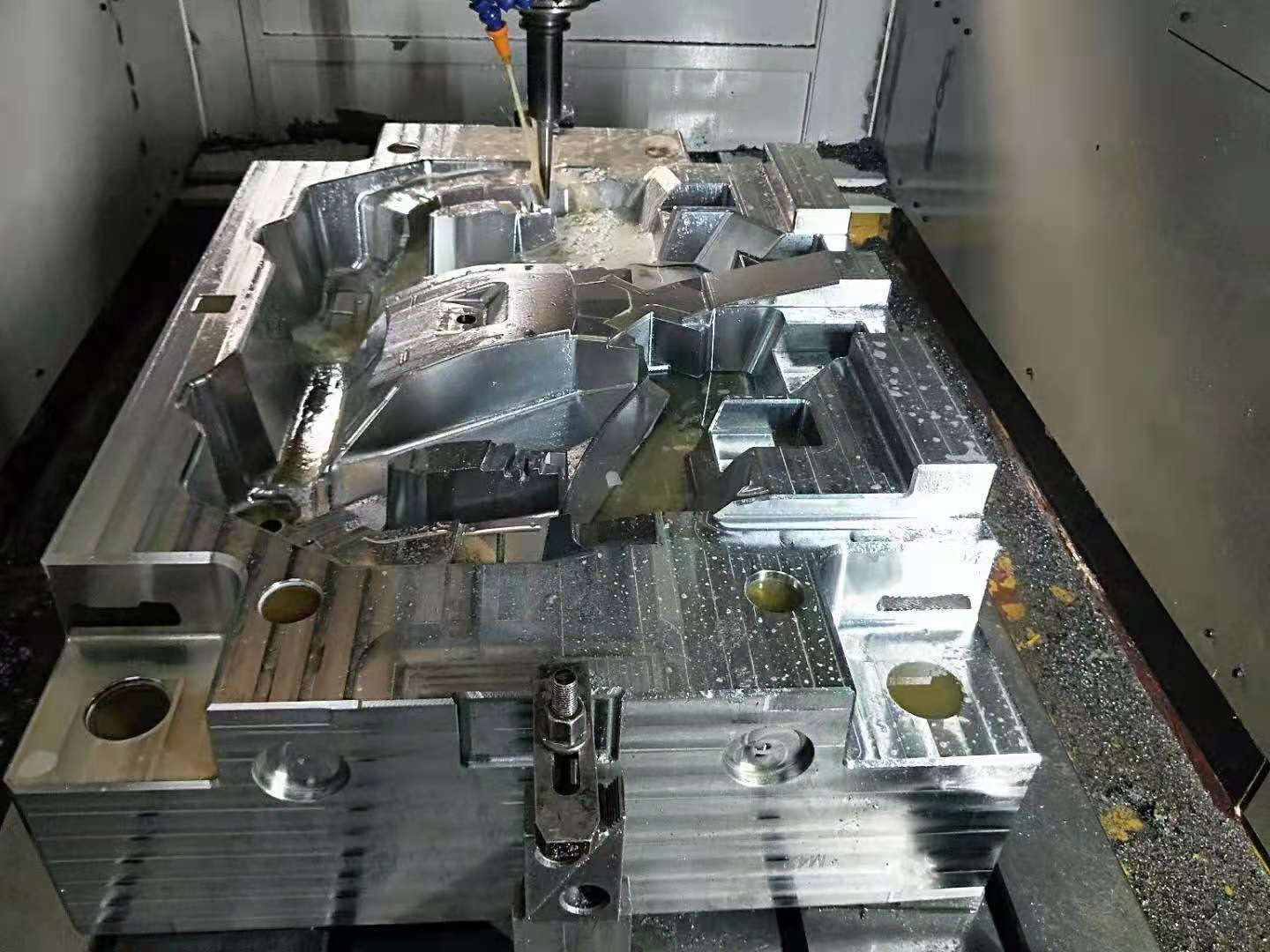
Automotive injection molds

injection mold manufacturer
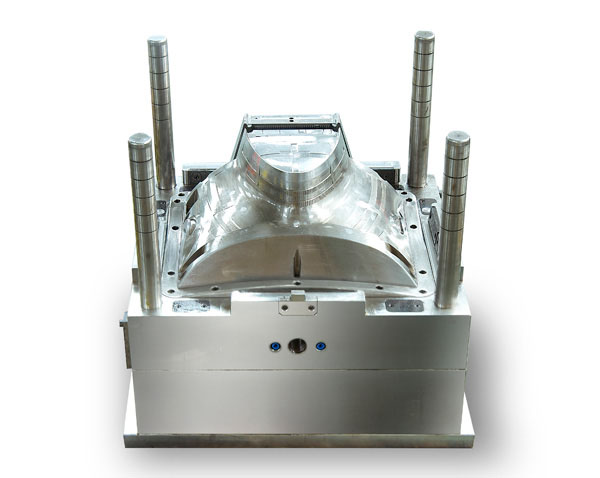
Building Partnerships in Automotive Mold Manufacturing!
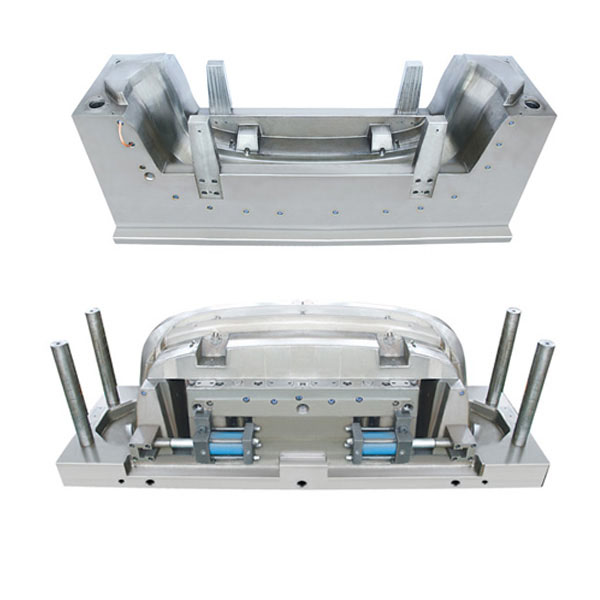
automotive interior trim plastic parts
ABIS connects EV components and compact automotive trim with practical guidance on mold design, quality evidence and supplier selection.
SHENZHEN, GUANG-DONG, CHINA, October 26, 2026 /EINPresswire.com/ -- ABIS MOLD TECHNOLOGY CO., LTD. is outlining a sourcing guide for automotive injection molds, focusing on the decisions that connect a plastic component's intended function with its tooling, inspection and production requirements. The guide addresses electric vehicle charging components, battery-related plastic parts and compact interior and exterior trim.For purchasing teams, the challenge is to turn a drawing into a supply agreement that engineering, manufacturing and quality departments can all use. A quotation may describe the mold clearly while leaving open questions about sample approval, assembly checks or responsibility for later changes. Resolving those questions early gives both buyer and supplier a more useful basis for planning.
ABIS's automotive resource presents custom tooling, sampling and molded-part supply for these applications. Its company profile identifies Shenzhen, China, as its base and describes a manufacturing history beginning in 1996, supported by more than 28 years of industry experience.
The ABIS automotive injection molds resource provides an overview of the relevant applications:
https://www.abismould.com/automotive-injection-molding/
The guide develops a practical theme: the best starting point for supplier selection is a clearly defined part, followed by an agreed method of demonstrating that it works.
Start with the component's job
An automotive component brief should explain what the part locates, protects, retains or presents to the vehicle occupant. That description helps the injection mold manufacturer identify which questions need an engineering decision before a quotation can become a firm commitment.
Consider a small cover with four attachment features. Purchasing may see one item on a bill of materials. Assembly may need a defined installation sequence. Quality may need a fixture that checks whether the attachments align. These perspectives should appear in the same project brief, with a named owner for unresolved requirements.
A useful request for quotation separates confirmed information from assumptions. It identifies the drawing revision, expected quantities, approval route and required delivery condition. Any feature still under development should be marked so that the supplier can explain how a later change would affect the proposed work.
This approach also makes competing quotations easier to compare. Buyers can see whether each supplier has priced the same deliverables and can discuss differences before placing an order for a custom injection mold.
Charging connectors and ports need distinct reviews
An EV charging connector mold concerns a component used within a connection system. Procurement discussions should establish the exact plastic item being sourced, the information available about its surrounding assembly and the party responsible for confirming the assembled result.
A practical review might ask whether the approved sample will be assessed alone or with the corresponding connector components. It should also identify who supplies those components and what happens if they change during development. This is an issue of project coordination that can otherwise remain hidden inside a general request for connector tooling.
An EV charging port housing mold raises a related but separate question: how will the buyer approve the housing in its installed position? A review conducted only on an isolated sample may leave the production team without an agreed way to assess the final assembly. The quotation should therefore identify the required fixtures, assembly information and approval responsibilities.
An EV charging pile parts mold is used for a defined charging-infrastructure component. Here, the relevant sourcing discussion concerns plastic components such as small housings, covers or mounting pieces. Buyers should name the individual component and its intended location rather than treat the entire charging unit as one molding requirement.
For exposed charging components, the material review can cover heat, ultraviolet exposure and dimensional stability. The exact requirements belong to the application specification. Naming a polymer family does not establish that every grade is suitable.
Across these projects, the guide recommends a written division of responsibilities among the toolmaker, molded-part supplier and assembly owner. Applicable electrical, environmental and safety testing should be specified by the responsible engineering team.
Define battery-related plastic parts precisely
EV battery pack plastic parts serve different roles within a battery assembly. A useful inquiry identifies the individual item and explains its relationship to the surrounding design, together with the evidence required before it can enter production.
For example, a component that positions another part should be discussed in terms of the approved positioning requirement and inspection method. A protective piece needs a clear description of what it protects and the conditions under which that function will be assessed. These are examples of questions to resolve, rather than assumptions about a particular vehicle program.
A battery housing injection mold also needs an explicit scope. In this guide, the term concerns a defined plastic housing or cover associated with a battery component. The inquiry should identify its size, function and interfaces, without implying that a quotation for that item covers an entire battery pack enclosure.
Material approval deserves a separate decision record. A supplier proposal should distinguish the specified grade from any alternative offered for evaluation. Substitution should follow the customer's approval process, including any additional validation that the change requires.
Depending on the component's function, material evaluation may address electrical insulation, flame behavior, operating temperature and compatibility with nearby fluids. The design owner should determine which properties require finished-part verification.
For a new energy vehicle parts mold, this disciplined definition gives the purchasing team a clearer basis for deciding whether a supplier's proposal addresses the actual component.
Bring exterior appearance and assembly into one approval plan
Door-handle covers and mirror housings illustrate why a compact automotive part can require several kinds of approval. A visually acceptable sample still needs to be evaluated against the way the part will be used and assembled.
For a car door handle mold, the inquiry should identify the precise item being sourced. A decorative cover, an attachment piece and a moving component may share a general product description while requiring different engineering reviews. The buyer should define the relevant part and provide the applicable drawing and assembly information.
A helpful approval plan records who accepts appearance, who accepts dimensions and who approves the assembled result. If decoration or another secondary operation is included, the plan should say whether approval applies before or after that operation.
A car mirror housing mold benefits from the same clarity. Procurement teams can ask how samples will be identified, which surrounding parts will be used for evaluation and how comments will be consolidated into one authorized change list.
This avoids a situation in which several departments return different instructions against different sample versions. A single approval record gives the toolmaker a clear next action and preserves the reason for each agreed revision.
Make interior trim acceptance repeatable
For automotive interior trim plastic parts, purchasing decisions should account for how appearance will be judged as well as how the component will be measured. A description such as "premium finish" needs to be translated into an agreed reference and review method.
The proposed process can identify an approved sample, the responsible reviewer and the features that require particular attention. It should also explain how a disagreement will be resolved. Photographs may help communicate a concern, but the parties should decide whether physical samples are needed for final acceptance.
When commissioning a car interior plastic parts mold, buyers can ask for design feedback on walls, ribs, attachment features and release from the tool. Those discussions help connect the intended appearance with the geometry that must be manufactured. Any resulting design changes remain subject to the customer's approval.
The scope can include compact switch surrounds, small console details and decorative covers. Grouping several items into a procurement package may simplify coordination, provided that each retains its own drawing revision, acceptance criteria and approval status.
Appearance criteria can identify viewing conditions, visible surfaces and acceptable variation in color, gloss or texture. Establishing these references before sampling gives both parties a consistent basis for discussing the finished component.
An organized sample register is particularly useful here. It allows the buyer to connect every appearance decision to the exact part, material and revision reviewed.
Give small functional parts a complete specification
Purchasing teams may give small automotive plastic parts limited attention because their individual size and price appear modest. The guide recommends evaluating them according to their role in the assembly and the evidence needed for acceptance.
For a clip, bracket or retaining piece, the buyer should explain how success will be checked. Depending on the design, that may involve a dimensional measurement, an assembly assessment or a specified functional test. The responsible engineer should define the method and acceptance limit.
If several versions look similar, identification should be addressed before samples arrive. The parties can agree how part numbers, revisions and sample status will be recorded so that the correct component reaches the correct reviewer.
Where a mold has multiple cavities, the buyer can request a sampling plan that preserves cavity identification. This allows an inspection result to be traced to its source instead of being reported only as an average across mixed samples.
For production supply, the same discussion extends to packaging and delivery identification. A purchasing agreement should state how accepted parts are distinguished from samples awaiting approval and how any nonconforming material is handled.
Treating these details as part of the order gives small components a clear route from tooling review to receiving inspection.
Review mold design before committing to production
A plastic injection mold converts an agreed component design into a repeatable manufacturing process. Its design review should give the customer an opportunity to understand the proposed approach and resolve open questions before tool construction advances.
Manufacturability feedback commonly considers wall transitions, ribs, bosses, draft and undercuts. Uniform wall design can help limit molding problems, while appropriate draft supports part release. The relevant choices depend on the geometry and selected material, so a general design rule should be treated as a starting point for engineering review.
The commercial value of this discussion comes from recording decisions. Each proposed change should identify the affected feature, the reason for the recommendation and the person authorized to accept it. An unanswered comment should remain visible until it has been resolved.
For buyers evaluating injection mold tooling, a clear review record is useful evidence of how the supplier communicates. It shows whether questions are specific, whether assumptions are disclosed and whether revisions remain traceable.
ABIS's published company profile describes integrated moldmaking, injection molding and assembly services. For customers considering injection molding from design to assembly, that scope offers a basis for discussing how project information will move between stages and which deliverables belong in the contract.
Connect quality documentation to the actual order
ABIS's current company profile states that it has obtained ISO 9001 certification. During qualification, buyers should request the relevant certificate and confirm its validity, covered location and scope against the activities proposed for their order.
Automotive customer requirements should then be identified separately. Where IATF 16949 certification or particular approval documentation is required, that condition belongs in the initial inquiry, together with the evidence the supplier is expected to provide.
Advanced Product Quality Planning, or APQP, and the Production Part Approval Process, or PPAP, provide established automotive quality methods. Their value in a sourcing discussion depends on agreement about the required work, submission content and approval responsibilities. A reference to an acronym alone does not define the deliverable.
For a new energy vehicle plastic parts manufacturer, qualification should connect the proposed process with the specific parts being purchased. Buyers can request examples of inspection records, material identification and change-control practices relevant to the intended scope.
The review should also establish how a problem moves from identification to containment, investigation and corrective action. Named contacts and an agreed response process make quality responsibilities easier to manage during development and ongoing supply.
Compare quotations through the full approval cycle
A tooling price becomes more informative when the buyer can see the assumptions and services behind it. The guide recommends separating mold construction, sampling, inspection, secondary operations, packaging and shipment wherever these affect the comparison.
A quotation for a plastic injection molding service should state whether it covers development samples, recurring production or both. It should also identify which approvals must be completed before the next stage begins.
Changes need similar clarity. The parties should agree how a requested revision will be assessed, how additional work will be quoted and who can authorize it. This helps distinguish a planned development change from work required to meet an already agreed specification.
For an exported mold, buyers should confirm the information needed by the receiving operation and the documents expected at handover. Ownership, maintenance responsibilities and arrangements for spare or replacement components should be addressed in the commercial discussion.
This gives purchasing teams a broader comparison than the initial tool price. They can evaluate whether each proposal provides a practical route through review, sampling, approval and delivery.
A focused checklist for automotive buyers
Before selecting a custom plastic injection mold manufacturer, automotive purchasing and engineering teams can use the following checks to organize the final review.
1. Confirm the component scope. Identify the exact part, its intended function and whether the purchase covers tooling, samples, production parts or an agreed combination.
2. Align the technical information. Check that the drawing, material specification, assembly references and quotation use compatible revisions, and record any unresolved assumptions.
3. Define approval evidence. Identify the measurements, appearance reviews, functional checks and customer submissions needed before acceptance, with responsibility assigned for each.
4. Verify supplier credentials. Review applicable certificates and relevant project evidence against the proposed production location and scope.
5. Agree change control. Establish who can authorize changes, how their effects are assessed and how updated drawings and samples are identified.
6. Confirm delivery responsibilities. Record packaging, identification, handover documentation, ownership, maintenance and the process for resolving quality issues.
The checklist is intended to support a technical conversation and a comparable quotation. Its details should be adapted to the component and the customer's requirements.
Continuing the discussion with ABIS
ABIS invites automotive sourcing teams to include the company in their supplier review for EV-related plastic components and compact automotive trim. The next step is a discussion based on the actual part information, planned supply scope and required approval evidence.
The ABIS automotive injection molds resource provides an overview of the relevant applications:
https://www.abismould.com/automotive-injection-molding/
Buyers can review company background through the ABIS company profile:
https://www.abismould.com/about-us
Drawings and project requirements can be submitted through the project inquiry page:
https://www.abismould.com/contact-us
About ABIS
ABIS MOLD TECHNOLOGY CO., LTD. is based in Shenzhen, China. Established in 1996, the company describes an integrated service offering covering product development, moldmaking, injection molding and assembly. Its automotive work includes custom tooling and plastic-component projects discussed against customer drawings and agreed requirements.
Website: https://www.abismould.com/
Kelly
ABIS Mold Technology Co., Ltd.
+86 136 8263 6597
Visit us on social media:
Facebook
YouTube
30 Years of Experience. A Commitment to Precision.
Legal Disclaimer:
EIN Presswire provides this news content "as is" without warranty of any kind. We do not accept any responsibility or liability for the accuracy, content, images, videos, licenses, completeness, legality, or reliability of the information contained in this article. If you have any complaints or copyright issues related to this article, kindly contact the author above.
